
Category Archives: News
21 Aug |
Hotel Industry Update |
 For the first time since 1976, we have enjoyed a blisteringly hot summer. The sun has shone relentlessly down on the country, bringing hordes of holidaymakers onto the motorways of Britain, heading for the sea.
So much so that Cornwall issued a ‘cannot cope’ warning last week. Visitor numbers are already up by about 20% on the 4.5 million who usually flock to the region at this time of year.
Cornwall’s tourism chief Malcolm Bell claims the county is “struggling to cope” and the tourist board has decided to stop promoting a few of the most popular beaches.
And the Isle of Skye in the Scottish Highlands is under siege from a massive surge in visitors. This has put the island’s infrastructure under pressure. Trends elsewhere suggest that the UK hotel industry will need to be able to cope with higher demand.
Positive Note
But on a positive note, imagine the joy of hotel owners and caterers as the mercury rises. It’s not just coastal areas that are eagerly looking forward to profits at the end of the year. London is expecting over 9,000 hotel rooms to open. This is more than the 8,000 rooms that opened in 2012, the Olympic year.
2017 had a boost to inbound holidays from the weak pound. But despite fears of a lull in 2018, there is a lot of optimism. Factors influencing travel to the UK in 2018 were the Royal Wedding, Farnborough International Air Show, the European Sports Championships in Scotland, the Gymnastics World Cup in Birmingham and the Terracotta Warriors to the World Museum in Liverpool.
Weather Forecast
The International Hotel Investment Forum (IHIF2018) was held back in March and good news came from it. Last year economic outlook at the time was cautious, but this year, there was plenty of optimism.
Marc Socker, Managing Director of investment management firm Invesco, asserted that there was more interest than he had ever seen in the sector. “First and foremost, hotels is a growth sector,” also pointing out that only 4% of Chinese nationals currently have passports and 5% of Indians. In addition, it is quite mind-boggling to realise that 90% of Americans do not have passports. “Every increase of 1% (in those populations with passports) leads to tens of millions of new travellers coming into the European market,” he maintained.
After this summer, with the forecast for more similar sun-baked summers to follow, investors could do worse than put their money into resorts and complexes. The UK has a wealth of coastal accommodation. With hotter and longer summers, the UK hotel industry is ideally positioned to attract new investment and offer the UK as an alternative to other European or Mediterranean destinations.
The UK has one of the best heritages of any country. It is renowned for its historic locations and its excellent cuisine. Some of the best chefs in the world were if not born here, then settled and opened restaurants here. The UK hotel industry has to seize every opportunity to attract visitors and tempt them to the country’s shores.
Published Date: 21st August 2018
Category: Blog, Catering Business, News
Tags: Catering business, Hotel
17 Aug |
Lowden Gets Rational |
 Jonathan Sinclair, joint owner of the Lowden Garden Centre believes that finding the best chefs means providing the best equipment, which is why he uses Rational ovens for his business.
Actually, he loves them so much that he has two in the main kitchen of his restaurant, one in the sandwich kitchen, one in the pastry kitchen, two in the wedding venue and one in the farm shop.
Sustainability
Lowden Garden Centre is located in Shaw, Wiltshire and exemplifies everything that a garden centre needs to be to be sustainable. Among the plants, flora and fauna can be found the main restaurant which serves locally sourced quality produce all day.
The farm shop acts as the restaurant’s larder packed with the freshest local produce, alongside the Lowden butchers and the brew store with its carefully sourced wide range of craft beers and cider, all brewed within 10 miles of Lowden.
The newest addition to Lowden is the events marquee, the ideal venue for any occasion, for weddings, parties, private events, funeral reception, business conferences and exhibitions.
“I have been using Rational ovens for many years having first acquired one 13 years ago,” explains Jonathan. “I was overwhelmed by its performance and capacity. As the garden centre has grown, it was a natural conclusion that I bought more Rational ovens to cope with the demand on our chefs.”
Attract the Best with the Best
The garden centre employs eight chefs and Jonathan is firmly of the belief that the Rational ovens were the major factor in hiring the best.
“In an industry with so many top class chefs, businesses need an edge to attract the best and providing them with the optimum cooking facilities is a major advantage,” he continues. “We alter the menu daily and on a day to day basis, we serve over 100 breakfasts and lunches as well as 250 Sunday lunches. Reliability and performance are priorities.”
Taking the Sunday lunches as an example, the Rational ovens allow the chefs to prepare and cook the meat and vegetables for the lunches in sequence for a full three and a half hour service, with all food piping hot and cooked to perfection throughout the whole lunch period.
Of course, the problems come when and if the ovens break down, but Jonathan has it covered. “We have now taken out one of AC Services(Southern) excellent packages for biannual servicing,” he comments. “If anything happens to any of the appliances between services, the company is simply a phone call away. Swift service, swift solution, no down time. The service spots any small problems, down to a broken light which gives us peace of mind that the ovens will continue to function perfectly.”
With a turnover in the millions, the Lowden Garden Centre is constantly upgrading and innovating, with the family’s younger generation becoming involved in marketing and daily running. “The garden centre concept has evolved from merely a place to buy perennials to a day out,” concludes Jonathan. “We provide first-class, locally produced catering for our customers to enjoy on-site or to take away.”
Published Date: 17th August 2018
Category: Blog, Case Study, News, Rational
Tags: AC Services, Case Study, Rational Ovens
07 Aug |
Theme Park Trends 2018 |
 This summer has reinforced the great British love of visiting amusement and theme parks. The fabulous weather has been a godsend to these venues. An increased amount of visitors are taking advantage of a thoroughly enjoyable, dry day out.
Globally, attendance at the world’s top theme park groups increased by 8.6% from 438 million to 476 million visitors in 2017. Figures suggest that this year, it will be even higher. Globally, Disney theme parks dominate the market, with the USA leading the way in numbers and profit.
In 2017 in the UK, surprisingly, Legoland came out ahead of both Alton Towers and Thorpe Park in terms of attendance and profit. However, the usual suspects of bad weather, economic decline and political instability last year are the main reasons behind a less-than-enthusiastic public and lacklustre results.
Pressure for New Experiences
There is constant pressure on theme park and amusement parks to enhance the experience to attract more visitors. Unfortunately, confidence has been hit when it comes to new rides. Too many teething problems and horror stories have emerged in the past few years and the public are therefore wary of racing to try new rides. So the call is for new attractions to be multifaceted to embrace new technologies.
Technology to the Rescue
Virtual reality is well established in the gaming world and some believe that it has a future in theme parks. The idea is that VR can revitalise an old ride with significantly less cost than building a brand new one. It can also add a new dimension to a branded attraction. This is exemplified by Europa-Park in France developing a new VR Paddington attraction and Hong Kong set to open its first VR roller coaster.
Augmented reality is another revelation that can be of use to theme parks. AR overlays the real world with the digital world, rather than replacing it. Both Disney and Apple are expressing interest in the AR trend. Disney filed a patent for projection-based AR to enable visitors to experience AR without headsets. The technology is in its infancy but it is one to be watched.
Disney is also looking further into bots, filing a patent for robot characters. Japan based theme park Huis Ten Bosch has announced that two thirds of its staff will be replaced by robots. This leads to speculation that bots could have a future in managing the infrastructure of attractions and reducing labour costs.
Finally, facial and voice recognition are expected to play a major role in the design and operation of interactive rides in the future where guests control the outcome or path of the experience. Disney is believed to be looking into rides that can be customised from reading the visitor’s emotional reactions based on facial recognition.
Keep Up With Modern Trends
Amusement and theme parks are constantly evolving to make the experience even better for visitors. Modern technology is expected to play a major role in the future. With this new level of sophistication comes an opportunity for street vendors and caterers to provide food and beverages that challenge the traditional fare of burger, chips, pizza and hot dogs.
The price of theme park entry encourages a full day visit rather than a few hours. Catering must therefore optimise the opportunity to offer a wide variety of food for all mealtimes.
Published Date: 7th August 2018
Category: Blog, Catering Business, News
Tags: Attractions, mass catering
31 Jul |
Coffee Time |
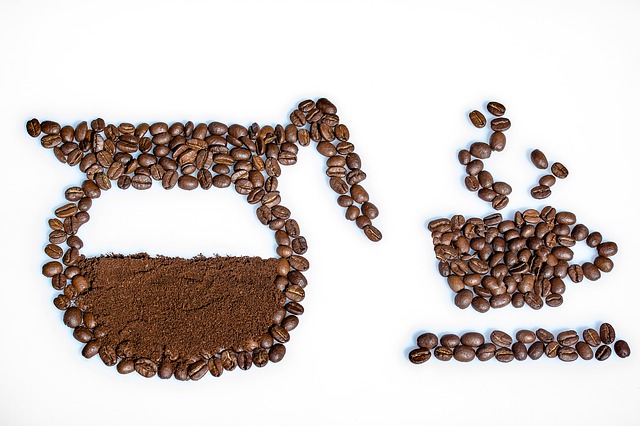 Let’s talk about coffee, the favourite drink for all age groups. There is no getting away from the fact that coffee drinking has expanded exponentially over the past decade. Coffee franchises, independent sellers and street vendors on virtually every high street corner now cater for our coffee time.
Today, the trend is not so much the product taste, but the product provenance. And this is making a difference in the economic fortunes of less affluent coffee-producing countries.
Coffee Time History Lesson
Coffee cultivation and trade began on the Arabian Peninsula in the 15th century. By the 17th century, had made its way to Europe. Today, the ideal conditions for coffee trees are found along the Equatorial zone called The Bean Belt . Coffee now grows in around 50 countries in the world from the USA to Mexico to East Africa and Asia. Good coffee beans depend on plant variety, soil chemistry, the weather and even the precise altitude at which the coffee grows.
Instant coffee represents by far the biggest share of the global coffee market. As with any coffee, it needs to be roasted relatively near to the end consumer so that it maintains its taste until it is actually drunk.
Ethical Coffee Trends
There is a growing call for ethical coffee, with an increasing number of consumers willing to pay more for ethically sourced coffee. The argument is that ethical sourcing benefits everyone from the farmers who grow the beans to the cafes selling the beverage.
Contemporary consumers are more interested in the provenance of the coffee beans. which has a direct influence upon their choice of coffee. According to statistics from the UN’s World Intellectual Property Organisation (Wipo), “smarter processing, branding and marketing makes a huge difference to growers and their communities”.
And with baristas armed with knowledge about the provenance of what they are serving, consumers are making the choice to help struggling individual farmers in less affluent countries. This trend means that farmers in the developing world are getting a better share in the global value chain.
Italian Influence
For this trend to continue, we should look to the Continent for a different approach to coffee drinking. Takeaway coffees are the norm for busy people on the go but in some European countries, this is not necessarily the most popular way to enjoy a cup of coffee. Take Italy for example. The majority of Italians prefer their local coffee shop rather than a coffee to go for these very good reasons.
Firstly, it takes no time at all to walk into a coffee shop, order a coffee and drink it. Downing a freshly brewed espresso shot takes a matter of seconds and the coffee is fresh, readily available and tasty. Secondly, drinking coffee has become a ritualistic break. Those on the go can take a moment to recover, regenerate their batteries. And above all enjoy a quiet moment to enjoy the coffee. And finally, Italians do not like their coffee so hot that it burns the mouth. They prefer coffee served cooled down at the right temperature, so it can be drunk immediately.
The Cloud on the Horizon
For the third year running consumption has outstripped production. So far the good years have provided a buffer but this cannot last.
As Dr Tim Schilling, director of the World Coffee Research institute, an organisation funded by the global coffee industry, says: “The supply of high-quality coffee is severely threatened by climate change, diseases and pests, land pressure, and labour shortages – and demand for these coffees is rising every year“. In some coffee areas, temperatures have already risen enough to begin having quality impacts, he adds.
In the future production areas in Ethopia could be halved and Brazil reduced to a third of today’s. This can only mean that new varieties will come to the fore and the taste of coffee will change. So the next coffee time, ask where the beans come from and then enjoy the moment.
Published Date: 31st July 2018
Category: Blog, Local food, News
Tags: Catering business, Food producers, mass catering
24 Jul |
July South West Food and Drink News |
 Food and drink have hit the headlines again over the past week. With the sighting of a nine-foot shark off the coast of Cornwall and four smaller, but nonetheless impressive sharks caught in Devon. SW food buyers are checking supermarket fish carefully for fins.
The nut industry has been given a boost with the news that a diet rich in nuts could improve male fertility. According to a new study, “nut-rich diets produce a higher sperm count and more powerful swimmers.” A clinical trial was conducted over 14 weeks that found better sperm in the healthy young men aged 18-35 who supplemented their usual diet with 60 grams/day of mixed nuts, including almonds, hazelnuts and walnuts. Those in the nut group had significant improvements in their sperm.
Scorching New Flavours
It’s good news for ice cream manufacturers too, with retailers reporting a sales increase of over 100% on this time last year. Waitrose has experienced a massive lift in sales with ‘adult’ ice lollies topping the frozen treats charts with an increase in sales of 188%. This is a perfect example of diversity: from Fab to Ab Fab! Ice cream manufacturers have found a new grown up market although a frozen old-fashioned orange jubbly is still hard to be beat when it comes to cooling down.
SW Food Exports
Food and drink have been in the news in the South West and Wales this week with news that exports of SW food and drink have increased year on year to £760 million to March 2018. This is an increase of 7% compared to the previous 12 months, according to the latest HMRC figures. Meat was the most popular product (£97m) followed by dairy products and eggs (£148m).
It appears that China is benefiting the most from these exports, perhaps capitalising on the Brexit uncertainty and the trade tariffs enforced by the Trump administration. 24% more food and drink was exported to the country compared to the previous 12 months.
Food Minister George Eustice said: “Our food is known for its high quality and great taste and there has been a huge growth in the worldwide demand for British produce. Through the Food is GREAT campaign the government provides invaluable support to food and drink companies in the South West so they can access foreign markets and see their businesses grow.” It seems to be working then.
Bristol Fashion
Finally, Bristol is being defiant in the face of fears that cheese, milk, butter and yoghurt imported from the EU could become much more expensive after Brexit. Yes, haloumi is at risk. But a Bristol-based agricultural expert has said it is an “opportunity” for those West Country dairy farmers and businesses to expand and diversify.
Food and drink industry expert, Graeme Fearon said: “before Wallace and Gromit think about emigrating, perhaps the market can be relied upon to save itself. In theory, every EU producer which finds itself unable to sell competitively to the UK is an opportunity for West Country farmers and businesses to expand their ranges and diversify their offerings.”
And the news from AC Services this month is our engineers are saying “if you think it’s hot in your kitchen, try driving my van in this weather to get to you on time!“
Published Date: 24th July 2018
Category: Blog, Catering Business, News
Tags: AC Services, monthly news
17 Jul |
There Are Always Tourists |
 So far this year we have been spoiled rotten. Not only have we had the best run of good weather since 1976 but the World Cup has boosted the country like never before…well, not since 1990. Images of English football fans enjoying themselves have been flashed around the world.
There is no doubt that had we won the World Cup, the economy would have benefited exponentially. In the short term it has provided a major boost for pubs and clubs as people gathered to watch the games. These are the sort of in-country tourists that are often forgotten.
And don’t forget Mr Trump’s ‘I’ll Fix Brexit Singlehandedly’ tour. His controversial presence in the UK has sent pictures around the world, with people from all nations curious to see how he was received. The myriad snaps of him in Marine One on his way to iconic locations such as Blenheim Palace, Chequers, Windsor Castle and the inside of the Sun newspaper offices put the UK at the forefront of the world’s media.
2018 Inbound Tourism Forecast
The VisitBritain forecast for 2018 is for 41.7 million visits, an increase of 4.4% on 2017 which saw record highs with overseas visitors reaching 40.3 million. £26.9 billion in visitor spending is forecast, an increase of 6.8% on 2017.
Brexit looms with uncertainty as always and the ongoing value of the pound is a key variable. In financial terms, the pound remains much lower than its pre-referendum level and is forecast to continue to be weak throughout the medium term, indicating that Britain will remain a good value-for-money destination.
A spokesman from GlobalData commented: “The pound’s Brexit drop has rendered business and leisure trips to the UK more affordable, luring a growing number of European travellers.”
The UK economy has been boosted also by the emergence of countries such as Russia and Brazil from recession. China, India and much of South East Asia are continuing to grow at a rapid pace and residents of these countries are making plans to visit Britain.
Regional Success and the Future
Figures show 2017 was a record year for tourists in the South West, with South Devon particularly bolstered by a rise in tourism numbers. Some of the towns that attracted the most attention were Teignmouth, Dawlish, Salcombe and Exmouth, with 75% of visits to the website in 2017 from new visitors.
Bristol is hoping that its new museum, Being Brunel will attract more visitors. And the amazing weather has led to more and more people heading for the South West beaches.
With all indications that tourism will remain constantly buoyant over the next five years, it is an ideal opportunity for the food industry to capitalise on the current food diversity trends. Street food, pop-up restaurants and alternative food venues can help to create a Britain that can be lauded for its food as well as its locations. Catering should remain confident in its future investments to profit from tourists from home and abroad.
Published Date: 17th July 2018
Category: Blog, Catering Business, News
Tags: AC Services, Catering business, Hotel, Pubs, Restaurant
10 Jul |
What’s New in Restaurant Food This Year? |
 According to the BBC’s Good Food guide, there are new restaurant food trends that diners are enjoying in 2018.
The keywords are health, the environment and the community which have translated into exciting new trends in food and drink.
One of the most innovative is gut-friendly foods, which comprise probiotics like kimchi, kefir and miso and prebiotics such as onions, garlic and other alliums. It’s all about plant-based diets and root-to-stem eating.
Diets are focused on produce rather than meat with people shifting away from highly processed foods towards whole foods. In addition, there are now a reported 550,000 vegans in the UK, up 360% over the past 10 years. This means that tastes are shifting and restaurant food is having to become more adventurous and creative to accommodate this new demographic.
Faux Meat
The faux meat industry is booming as more chefs embrace ingredients such as chickpeas, falafel, tempeh and tofu, and food technicians globally are working hard to develop a range of faux meat products.
In America, there’s a company that not only produces a totally plant-based burger but there’s a secret, not-on-the-market-yet added ingredient called heme which gives the faux meat a blood-like appearance for those who (used to) like their meat rare.
The Arrival of Hemp
Hemp is the new superfood. It is a highly nutritious source of “quality plant-based protein” according to Paul Benhaim, the CEO of Elixinol Global, which makes hemp product.
Hemp is an excellent source of omega-3 and omega-6, essential fatty acids, vitamins and minerals. Perhaps the easiest way to consumer hemp is via the seeds which a number of restaurants are now using as a garnish. Despite coming from the same plant species as cannabis, the tetrahydrocannabinol (the hallucinogenic component in cannabis) level in hemp is minimal.
The Environment
Increasingly, restaurants are using all parts of a food to minimise waste. This root-to-stem eating is a fantastic foodie trend requires diners to eat the whole fruit or vegetable.
For example, don’t throw broccoli stems away. Simply slice them into little discs and roast them as an alternative to croutons. In the same way, pickles can be made out of watermelon rind and crunchy garnishes made from baked potato peelings.
I Can’t Believe …
Keep an eye out for the new craft cultured butter. Butter Culture has produced a new batch of churned cultured butter. This uses local Jersey cow milk produced from English bred Jersey dairy cows, a healthy bacteria culture and a dash of naturally mineral rich Himalayan pink rock salt. It is a traditional Scandinavian recipe. The lactose eat the sugars and carbohydrates in the cream and produce specific lactic acids. These are incredibly rich in butter flavours.
Also note that the unicorn trend so popular at the beginning of the year is out and purple is in. Apparently, instagram is responsible in part for this trend…purple food is incredibly photogenic.
Finally, drinks. 2018 is seeing the return of historic small beers with low ABV, mead, port and vermouth appearing on cocktail bar menus. This reaffirms the idea that alcohol should be for enjoyment, rather than just the obvious side effects. Confirming once again the key restaurant food trends are health combined with flavour.
Published Date: 10th July 2018
Category: Blog, Catering Business, News
Tags: Food producers, Hotel, Pubs, Restaurant
03 Jul |
Putting the Fizz Back |
 This summer has thrown up a few curve balls in football etiquette. We are experiencing new behavioural patterns. Such as how to react to England winning their opening matches and Germany being knocked out by a nation not exactly famed for its prowess on the football field. However, true to British tradition, there is always one constant in football to turn to – beer!
But it appears that the unthinkable is happening – we are running out of the fizzy stuff. It sounds like a spoof headline, an internet scam, FAKE NEWS. But we are far from April 1st and the truth is that Europe is suffering a CO2 shortage which is causing unfathomable consternation: the rationing of beer and cider.
It’s endemic. From the big drinks companies to the small bottling firms, the effect is being felt across the country. Heineken’s John Smith’s Extra Smooth and Amstel are hit, Tesco-owned Booker has started rationing customers to ten cases of beer.
The Ei Group, Britain’s biggest pub operator, said some beer brands were in short supply or not available. In possibly the most understated quote of all time, Brigid Simmonds, head of the British Beer and Pub Association (BBPA), said the timing was “unfortunate”.
How can there be a CO2 shortage?
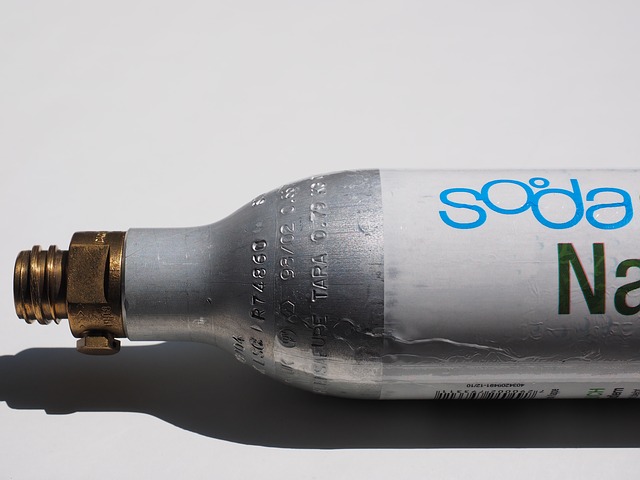
Carbon dioxide is a by-product of the ammonia producing process for use in fertilisers. Other sources are bio-ethanol plants. It puts the fizz into beer, cider and soft drinks, and is used in food packaging to extend the shelf life of salads, fresh meat and poultry.
It also serves other purposes, such as being the most humane way to stun pigs and chickens before slaughter. Or to create dry ice, another product extensively used in the food industry to help keeps things chilled in transit.
What has happened recently is that some of the major mainland European fertiliser plants have closed down for routine maintenance. Here in the UK, only two of five plants that supply CO2 are fully operational.
Because peak consumption for fertiliser is the winter months, chemical companies have traditionally scaled back production towards summer. There is also the question of the low cost of ammonia at present which de-incentivises producers to restart production quickly.
The whole of Europe has been hit. But because the UK relies heavily on imports from the continent, we are the hardest hit.
And it’s not just beer, livestock is at risk, in particular pigs. Scotland’s biggest abattoir QPL has been forced to halt operations when it ran out of CO2 used to stun the animals before slaughter. Andy McGowan, chief executive of Scottish Pig Producers, said: “we’re pretty dismayed. The top priority is animal welfare – we will not have ourselves in a situation where the welfare is suffering.” Poultry slaughterhouses have already called for priority supplies when more CO2 comes onto the market.
Football Fever
It is not known how long the CO2 shortage will last. The government has admitted that it can do nothing to help as the issue is purely industry led. So savvy pubs and clubs are ordering in more stocks of real ale and promotions are being hastily put together with other alcohol beverage suppliers.
Let’s look on the bright side: we’re still in the World Cup, Germany are out (worth mentioning again), the sun is shining…beer and sausages are not too much to ask for, are they?
Published Date: 3rd July 2018
Category: Blog, Catering Business, News
Tags: Catering business, Food producers
26 Jun |
Latest Brexit News: No News |
 Let’s have an update on Brexit news. After all, it has been two years now since the decision was taken for the UK to exit the EU. Surely, things have moved on?
Well, it appears not, in fact in a recent poll, Britons favour a second referendum by a 23 point margin. And support for staying in the EU is now 53% compared to 47% who still back Brexit.
Nearly half of voters want a final say before Britain formally leaves the EU, according to the survey. The majority also want a soft Brexit. This is where the UK would stay both in the single market and the customs union.
Meaningful Say
Last week, the Government scored a victory by having its Brexit bill passed through Parliament after Theresa May saw off a revolt by Tory MPS. The bill now goes for Royal Assent becoming law.
The Government won the vote 319 to 303, only after assurances were accepted by would-be rebels that MPs would have a meaningful say. Exactly what this ‘meaningful say’ will be is up for scrutiny. But according to the Prime Minister, “today has been an important step in delivering the Brexit people voted for, a Brexit that gives Britain a brighter future, a Britain in control of its money, laws, and borders.”
“Over the next few weeks we will publish more details of our proposed future relationship with the EU in a White Paper, and will bring the Trade and Customs Bills back to the House of Commons.”
However, there are clear signs that industry is losing patience with the Government’s seeming inability to negotiate a proper, clear-cut deal.
Airbus has threatened to pull business from Britain in the event of a ‘no-deal’ becoming the first big manufacturer to pull investment from Britain. Airbus generates a significant amount (£1.7 billion) in tax revenues, but the company is prepared to abandon plans to build aircraft wings at its British plants. Instead, production will move to elsewhere in Europe, China or the US.
“In the absence of any clarity, we have to assume the worst-case scenario,” warns Tom Williams, Airbus’ chief operating officer.
Key Dates for Brexit News
There are some key dates coming up that are crucial to the negotiations.
The first is this week, 28 June 2018 where the EU summit may include Northern Ireland border discussion.
On 18 October 2018, there is a key EU summit where both sides hope to agree outline of future relations. This allows time for UK parliament and EU members to ratify the deal by the deadline of 29 March 2019.
13 December 2018 will be a fallback option if the deal is not done by October. The Houses of Commons and Lords will vote on the withdrawal treaty.
Unravelling 43 years of treaties and agreements covering thousands of different subjects is massively complicated. And has never been done before. However, without an agreement on trade, the UK would operate with the EU under World Trade Organisation rules. This could mean customs checks and tariffs on goods as well as longer border checks for travellers.
As catering logistics depends on just in time delivery for optimum freshness and use, the knock-on effects of this could be significant. So it really is a case of watch this space until we in the catering businesses can plan sensibly!
Published Date: 26th June 2018
Category: Blog, News
Tags: Brexit, Catering business
19 Jun |
Events Industry Update June |
 In the events industry, everyone is competing to stand out in a busy marketplace; but even with the threat of Brexit looming over the industry, event organisers are optimistic.
A recent report from Pulse reveals that events have now become a rich tool for marketing organisations.
Experience-driven marketing is the way forward apparently, with people preferring a sense of “camaraderie and shared culture. Why eat luxury cheese at home when you could tap into a community of cheese lovers at a festival or pop-up marketplace?”
80% of millennials reported that they would prefer to make sacrifices of material or luxury goods to participate in experience-driven exercises. This is very welcome news in particular for the festival industry.
The report continues to say that more creative events in increasingly creative spaces have become the norm in 2018. Passive marketing techniques which were previously employed are now being replaced with “more personable, and intimate event spaces… as brands look to engage each individual customer.”
Outdoor Festivals
More than 7,000 major outdoor events are held each year. Outdoor events cover all activities from major festivals, agricultural shows, sporting and charity events through to small village and craft events.
Following the Olympics in 2012, the UK has established itself as a world leader in outdoor events. Now many UK companies export their events industry expertise. The sector has witnessed huge growth; between 2005 and 2009 there was an average annual increase of more than 1.64M adults attending outdoor events in the UK.
Festival Food Trends
One trend that has expanded over the years and has now become a sophisticated part of festivals is catering. Once upon a time, when festivals started, visitors were lucky to find anything more than a greasy burger or a curled up sandwich. Those days, however, are long gone. Today the culinary credentials of a festival have become increasingly important, and this is an accelerating trend.
Chief Executive of the Association of Independent Festivals, Paul Reed says that spending on food and drink at independent festivals was 36% higher in 2017 than in 2008. “Customer expectations have shifted considerably and, in some cases, food and beverage options can be as important as the music and arts programming itself,” he comments.
In March 2018, CGA Strategy, a consumer research group, published a report on festival-goers’ attitudes towards food and drink based on 5,000 interviewees.
The research revealed that the range of food and drink was an important factor when choosing which festivals to attend. Nearly two-thirds of the respondents (61%) cited “a diverse selection of food and drink stalls” as a significant factor when choosing a festival.
On average, a music festival ticket cost £150. This is a significant amount and attendees expect a more luxurious experience. In addition, and more importantly, they also bring the cash to pay for it. Thus festival organisers are placing more emphasis upon the catering, from gourmet burgers to fresh, healthy smoothies, sushi and vegan options.
For the catering fraternity in the events industry, the options are endless and accelerating to provide a variety of food for every palate.
Published Date: 19th June 2018
Category: Blog, Events, News
Tags: Catering business, Events